
 Arabic
 English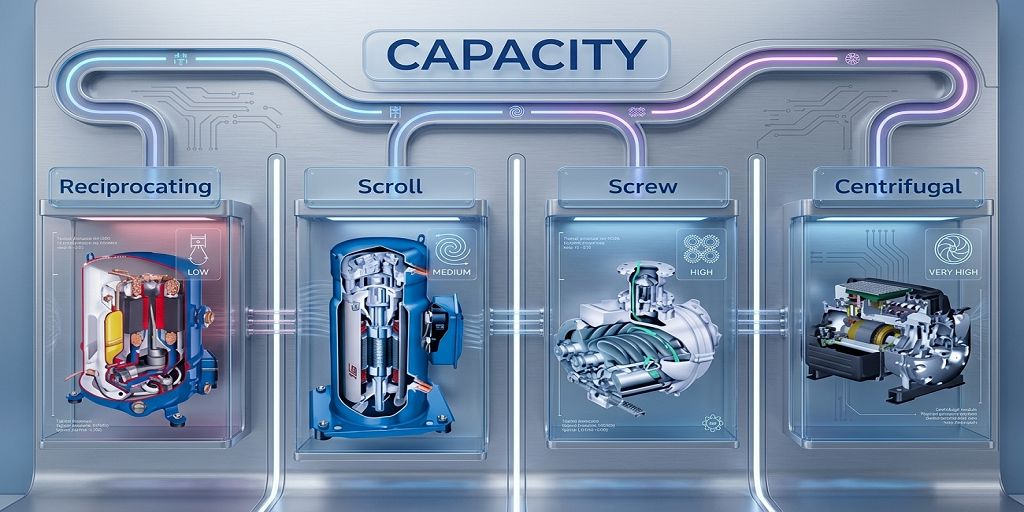
Oil-Free vs. Oil-Lubricated Air Compressors: Pros, Cons, and Lifespans
Whether you are setting up a professional automotive workshop, upgrading an industrial manufacturing line, or choosing a reliable tool for your home garage, selecting the right air compressor is a critical decision. One of the most fundamental debates you will encounter is choosing between oil-free and oil-lubricated air compressors.
Both technologies have distinct mechanical designs, operational advantages, and long-term cost implications. This comprehensive guide breaks down the pros, cons, and expected lifespans of each type to help you make an informed investment.
Understanding the Core Mechanical Difference
The primary difference lies in how the compression chamber reduces friction and heat.
- Oil-Lubricated Compressors: Use oil to coat the cylinder walls, pistons, or rotors. This oil seals the air, absorbs heat, and ensures smooth mechanical movement.
- Oil-Free Compressors: Do not introduce oil into the compression chamber. Instead, they rely on pre-lubricated components and specialized synthetic coatings—most commonly Teflon (PTFE)—to reduce friction.
Oil-Free Air Compressors: Pros, Cons, and Lifespan
Oil-free compressors are highly favored in industries where air purity is non-negotiable.
The Pros
- Zero Air Contamination: Because no oil enters the air stream, there is absolutely zero risk of oil mist spoiling your final product. This is essential for Class 0 air quality standards.
- Low Maintenance: You will never have to perform oil changes, monitor oil levels, or replace expensive oil filters and separators.
- Cold-Weather Starting: Without thick oil to warm up, oil-free units start up much more easily in freezing temperatures and can operate on uneven surfaces without starving the pump of lubrication.
The Cons
- Higher Noise Levels: Without oil to dampen mechanical vibration and sound, oil-free compressors tend to be significantly louder during operation.
- Less Efficient Heat Dissipation: They run hotter than lubricated units because Teflon coatings cannot dissipate thermal energy as effectively as circulating fluid.
Lifespan Expectancy
Traditionally, small consumer-grade oil-free compressors have a shorter lifespan, averaging 2,000 to 5,000 hours of operation. Once the internal Teflon coating wears away, friction increases rapidly, leading to mechanical failure. However, industrial-grade oil-free scroll or centrifugal models built with advanced materials can last significantly longer.
Oil-Lubricated Air Compressors: Pros, Cons, and Lifespan
Oil-lubricated compressors are the traditional workhorses of heavy-duty, high-demand industrial applications.
The Pros
- Exceptional Durability: Constant oil bath lubrication keeps the internal components cool and drastically reduces wear and tear.
- Quieter Operation: The liquid oil barrier acts as a natural acoustic dampener, making these machines run noticeably quieter than oil-free alternatives.
- Continuous Duty Cycles: Excellent heat regulation allows oil-lubricated models to run continuously under heavy workloads without overheating.
The Cons
- Strict Maintenance Requirements: Routine upkeep is mandatory. You must perform regular oil changes, check oil levels, and clean oil filters to prevent premature pump failure.
- Risk of Contamination: Inline oil separators are required to catch residual oil mist. If a filter fails, oil can leak into downstream tools, damaging paint jobs or pneumatic machinery.
- Disposal Concerns: Used compressor oil must be collected and disposed of safely according to local environmental regulations.
Lifespan Expectancy
When properly maintained, oil-lubricated compressors offer phenomenal longevity. A standard reciprocating oil-lubricated pump will easily last 10,000 to 15,000 hours, while high-end rotary screw models can surpass 30,000 to 50,000 hours before requiring an overhaul.

 Categories
 Search
 Top
Top